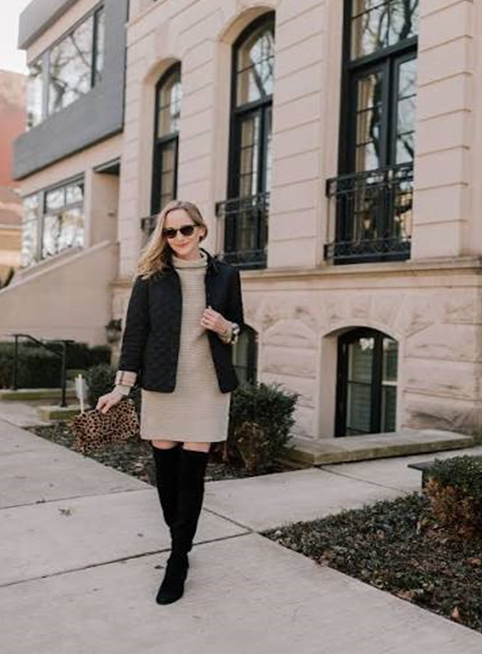
Winter is the perfect season to refresh your wardrobe with clothing that combines warmth, comfort, and style. While sweaters, coats, and trousers are common cold-weather choices, dresses can also be an excellent part of a winter wardrobe. With the right fabrics, lengths, layers, and accessories, a dress can provide a practical outfit for everyday activities as well as work, dinners, gatherings, and special occasions.
Choosing the right dresses for winter is mainly about finding a balance between insulation and comfort. Knitted fabrics, wool blends, velvet, and other substantial materials can work well in colder weather, while layering with tights, boots, coats, scarves, and sweaters can provide additional protection from low temperatures.
For women building a seasonal wardrobe, ladies winter dresses offer a wide range of options, from relaxed sweater dresses to elegant midi and maxi styles. If warmth is your main priority, warm winter dresses made from suitable materials can help create comfortable outfits without giving up a polished appearance.
Why Choose Dresses for Winter?
Dresses are versatile because they can serve as the foundation of an entire outfit. Instead of coordinating separate trousers and tops, you can begin with one dress and add layers according to the weather.
A long-sleeve knit dress, for example, can be worn with tights and ankle boots during moderately cold weather. When temperatures fall further, you can add a thermal base layer, heavier tights, a long coat, scarf, and warm boots.
Another advantage is versatility. The same dress can often be styled differently for casual and more formal occasions. A simple knitted dress may work for shopping or a weekend outing with flat boots, while adding a belt, structured coat, and heeled boots can create a more sophisticated appearance.
Popular Ladies Winter Dresses
There are many different styles of ladies winter dresses, and the best choice depends on your personal style and the climate where you live.
Sweater Dresses
Sweater dresses are among the most recognizable winter styles. Their knitted construction provides warmth and creates a relaxed appearance. They are particularly easy to style because they can be worn with tights, leggings, ankle boots, or knee-high boots.
A neutral sweater dress in black, gray, navy, beige, or brown can become a highly versatile wardrobe piece. You can change the appearance simply by switching your coat, scarf, handbag, or footwear.
Long-Sleeve Dresses
Long-sleeve dresses provide additional coverage and can be useful throughout the colder season. They are available in jersey, knit, cotton blends, and other materials.
For casual wear, pair a long-sleeve dress with boots and a warm cardigan. For an office outfit, combine a structured long-sleeve midi dress with a tailored coat and simple accessories.
Midi Dresses
Midi dresses are particularly practical for winter because they provide more coverage than shorter styles while maintaining a comfortable silhouette. They can be paired with opaque tights and boots to create a cohesive cold-weather outfit.
A ribbed or knitted midi can also work well under a long coat. Fashion guides commonly recommend midi lengths and knit fabrics for winter because they combine coverage, comfort, and styling flexibility.
Maxi Dresses
Maxi dresses offer even greater coverage and can work particularly well in cold climates when made from heavier fabrics. A knitted or wool-blend maxi dress can be paired with boots and a warm coat for a practical winter outfit.
When selecting a maxi dress, consider the hem length carefully. The dress should allow comfortable walking, particularly if you plan to wear it outdoors.
What Makes Warm Winter Dresses?
The material of a dress is one of the most important factors when shopping for warm winter dresses. A beautiful design may not be suitable for cold weather if the fabric is very thin or lightweight.
Wool and merino wool are popular choices because they provide insulation while remaining relatively breathable. Wool-blend fabrics can also offer warmth while changing the texture, weight, and cost of the garment. Knitted materials are another common option for winter dresses because their structure can trap air and provide comfortable insulation.
Velvet can also be appropriate for winter occasions because of its substantial texture and elegant appearance. In some regions, fabrics such as khaddar, pashmina, and velvet are commonly incorporated into winter women’s clothing.
However, fabric alone does not determine warmth. The thickness of the garment, fit, layering system, footwear, and outerwear all contribute to how comfortable you feel outdoors.
How to Layer Dresses in Cold Weather
Layering is one of the most effective ways to make dresses suitable for winter. Rather than choosing an extremely heavy dress, you can combine lighter layers to adjust your outfit according to the temperature.
Start with a thin base layer underneath the dress if additional warmth is needed. A fitted long-sleeve shirt or thermal layer can add insulation without significantly changing the appearance of the outfit.
Next, consider a cardigan, blazer, sweater, or vest. Finally, use a coat or other suitable outer layer to protect against cold air and wind.
For example, a fitted knit dress can be worn over a thin turtleneck, followed by a tailored coat. Alternatively, a midi dress can be paired with a soft cardigan, scarf, tights, and boots. Layering guides specifically recommend combining dresses with thin base layers, knitwear, coats, tights, and boots to create warmer outfits without excessive bulk.
Choosing the Right Winter Dress Length
Dress length can affect both appearance and practicality.
Mini dresses can still be worn in winter, but they generally require additional coverage such as opaque or thermal tights, boots, and a warm coat. Midi dresses offer a good balance between coverage and versatility, while maxi dresses provide greater coverage but need to be practical for walking.
For everyday winter wear, midi and maxi styles are often convenient choices because they can work with several types of boots and outerwear.
Best Footwear for Winter Dresses
The right footwear can make a major difference to a winter dress outfit. Ankle boots are a versatile everyday choice and work especially well with midi dresses.
Knee-high boots can provide additional coverage and create a continuous visual line with tights or a shorter dress. In wet or snowy conditions, practical weather-appropriate boots with adequate traction may be more useful than fashion-focused footwear.
For casual outfits in milder conditions, clean sneakers can also be combined with certain knitted dresses. The important consideration is whether the footwear provides appropriate protection and comfort for the weather.
Winter Colors and Styling
Winter wardrobes often feature deeper and neutral shades such as black, navy, charcoal, brown, burgundy, forest green, and cream. These colors are easy to combine with coats, boots, scarves, and handbags.
However, there is no requirement to wear only dark colors during winter. Cream, ivory, rich reds, green, and other seasonal shades can add variety to a wardrobe. Current fashion coverage also shows that lighter colors can work during colder seasons when the fabric and styling are appropriate.
Accessories can further change the appearance of a dress. A large scarf can add warmth and texture, while a belt can define the waist of a relaxed dress. A structured handbag can make a casual outfit look more polished.
Dresses for Different Winter Occasions
Different occasions call for different types of dresses for winter.
For everyday activities, a sweater or knitted midi dress can provide an easy combination of comfort and style. For work, consider a long-sleeve midi dress with a structured coat and boots.
For dinners or social gatherings, velvet, textured knit, or other more refined fabrics can create an elegant winter appearance. For formal occasions, a longer dress combined with a sophisticated coat and appropriate footwear can provide additional warmth without looking overly casual.
The most useful approach is to select dresses that can be styled in several ways rather than buying pieces that only work for one occasion.
Building a Practical Winter Dress Collection
A versatile collection of ladies winter dresses does not need to be large. A few carefully selected pieces can cover many situations.
Consider having one comfortable sweater dress for everyday use, one long-sleeve midi for work or smart-casual occasions, and one more elegant dress for dinners or events. You can then create different outfits by changing your boots, coat, scarf, jewelry, and handbag.
When shopping for warm winter dresses, pay attention to fabric composition, thickness, fit, care instructions, and how easily the dress can be layered. These factors are often more important than simply choosing a dress based on appearance.
See also: Tekno-Step: Quality Flooring Solutions for Modern Spaces
Find Your Winter Dress Style
The best winter dress is one that suits your climate, lifestyle, comfort requirements, and personal style. Whether you prefer a cozy sweater dress, a sophisticated midi, a long maxi, or an elegant velvet design, there are many ways to make dresses practical for colder weather.
By choosing suitable fabrics and using thoughtful layering, dresses for winter can become some of the most versatile pieces in your seasonal wardrobe. Ladies winter dresses can provide comfortable everyday options, while warm winter dresses can offer additional insulation for colder conditions.
Explore winter clothing options at Clothing Stores and discover styles that can help you build a comfortable, practical, and fashionable cold-weather wardrobe.


 By
By